

The Morning Everything Felt Slightly Off
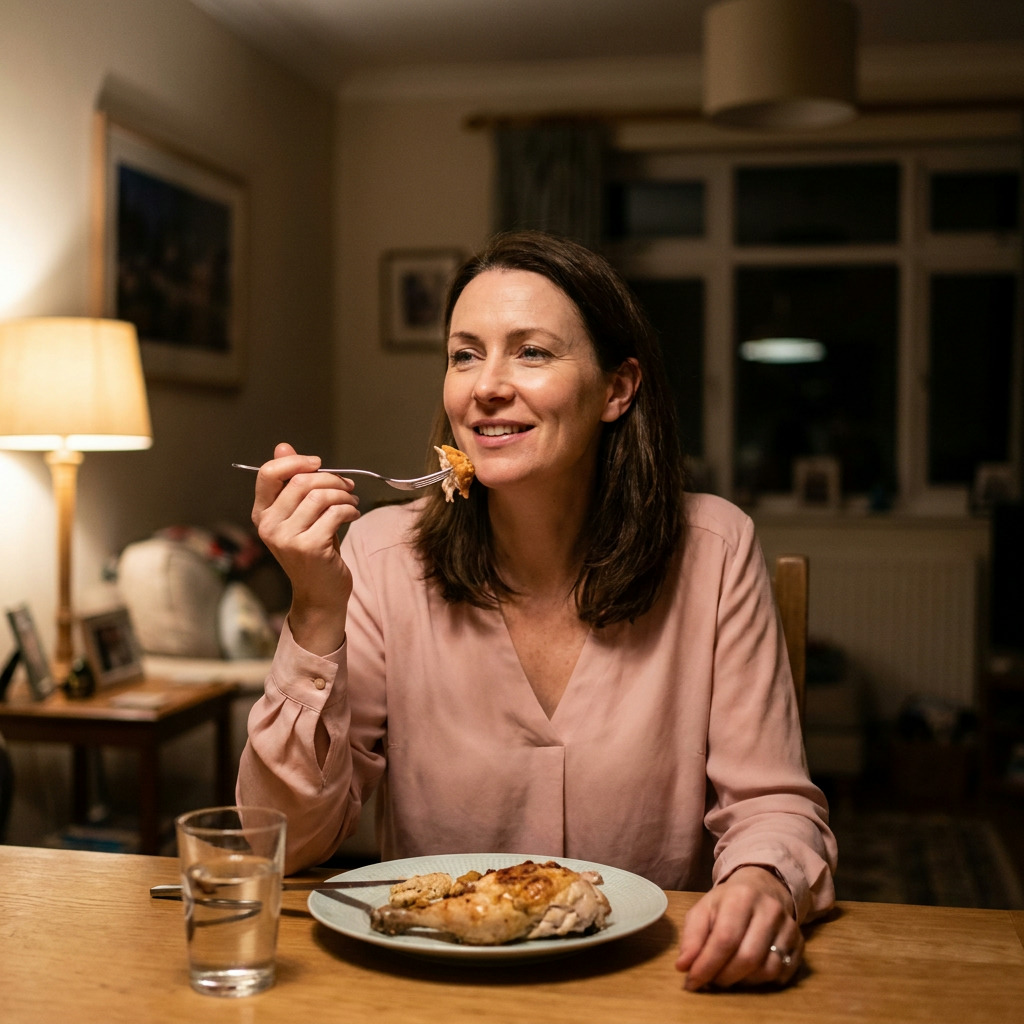
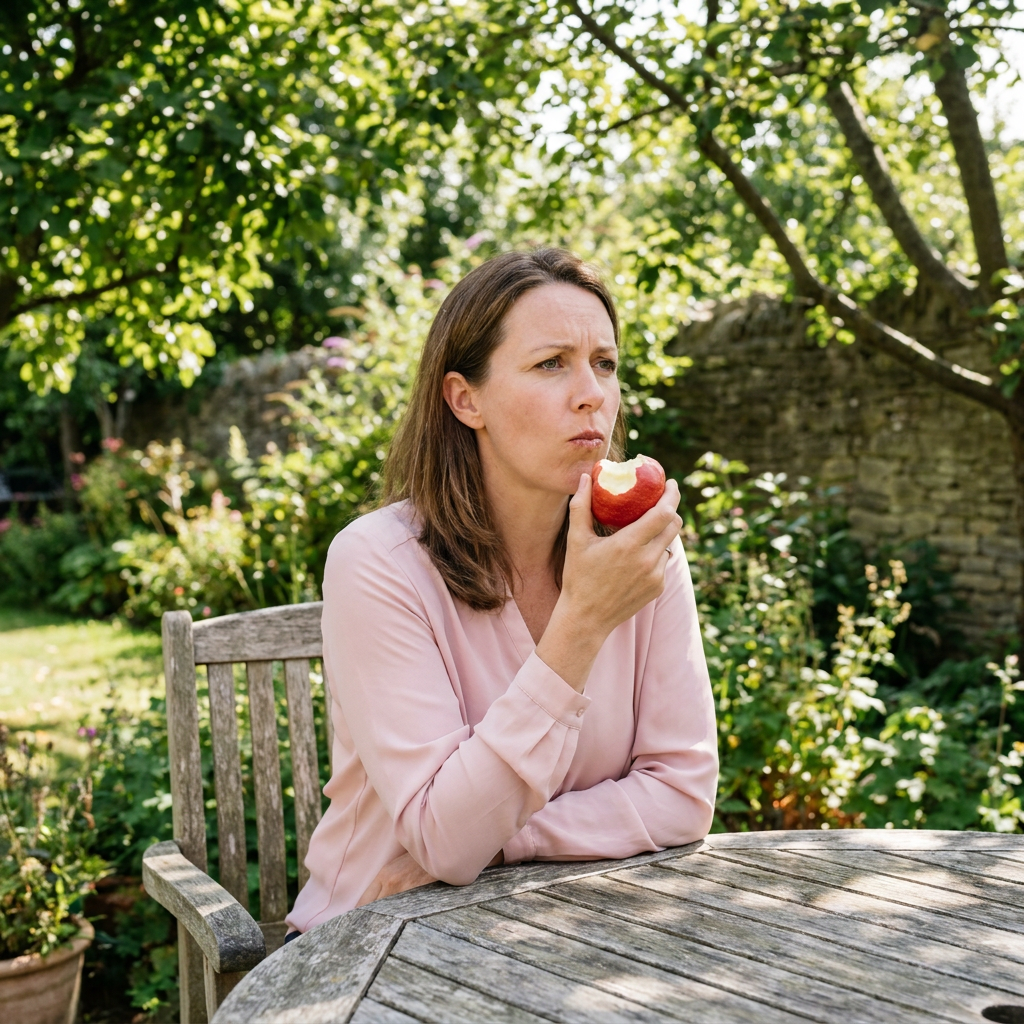
Melissa noticed it while pouring cereal. Ethan was chewing on one side of his mouth, slowly, cautiously, like he was testing thin ice. He was eight, normally loud, hungry, and halfway out the door before she could remind him to grab his backpack. Today he just stared at the bowl, spoon hovering, eyes distracted.
“Does your tooth hurt?” she asked, trying to sound casual.
He shrugged. “It’s not bad. Just… weird.”
That word stuck with her. Weird is what parents hear right before something becomes urgent.

Melissa thought about the calendar taped to the fridge. Her own cleaning was overdue. Her husband, Mark, had been grinding his teeth again, the telltale jaw tension every morning. And their youngest, Lily, was starting kindergarten soon. First day pictures, first missing teeth, first dentist memories.
Family dentistry suddenly felt less like a category of care and more like a thread holding everything together.
When Dental Care Becomes A Family Decision
Melissa had been to dental offices before that treated kids like a side note and adults like a problem list. She wanted something different this time, a place where Ethan’s “weird” tooth, Mark’s jaw pain, and her own overdue care weren’t separate stories.
Family dentistry, at its best, is not about convenience alone. It’s about continuity.
When one dentist knows how Ethan lost his first tooth on the playground, remembers Lily’s fear of loud sounds, and understands that Mark clenches during stressful work weeks, care becomes personal. It stops feeling transactional.
At a family-focused practice like Family Dentistry at Dr. Jane Boeschenstein DDS, appointments are not isolated events. They are chapters in a longer story.
Melissa realized she wasn’t just choosing a dentist. She was choosing how her kids would feel about dental care for decades.
What Kids Notice Before Parents Do
Ethan noticed the smell first. Not the sharp, clinical kind, but something neutral, almost calm. He noticed that the waiting room had books he actually wanted to read. He noticed that no one rushed him.
Kids are experts at reading rooms. They sense safety before they understand procedures.
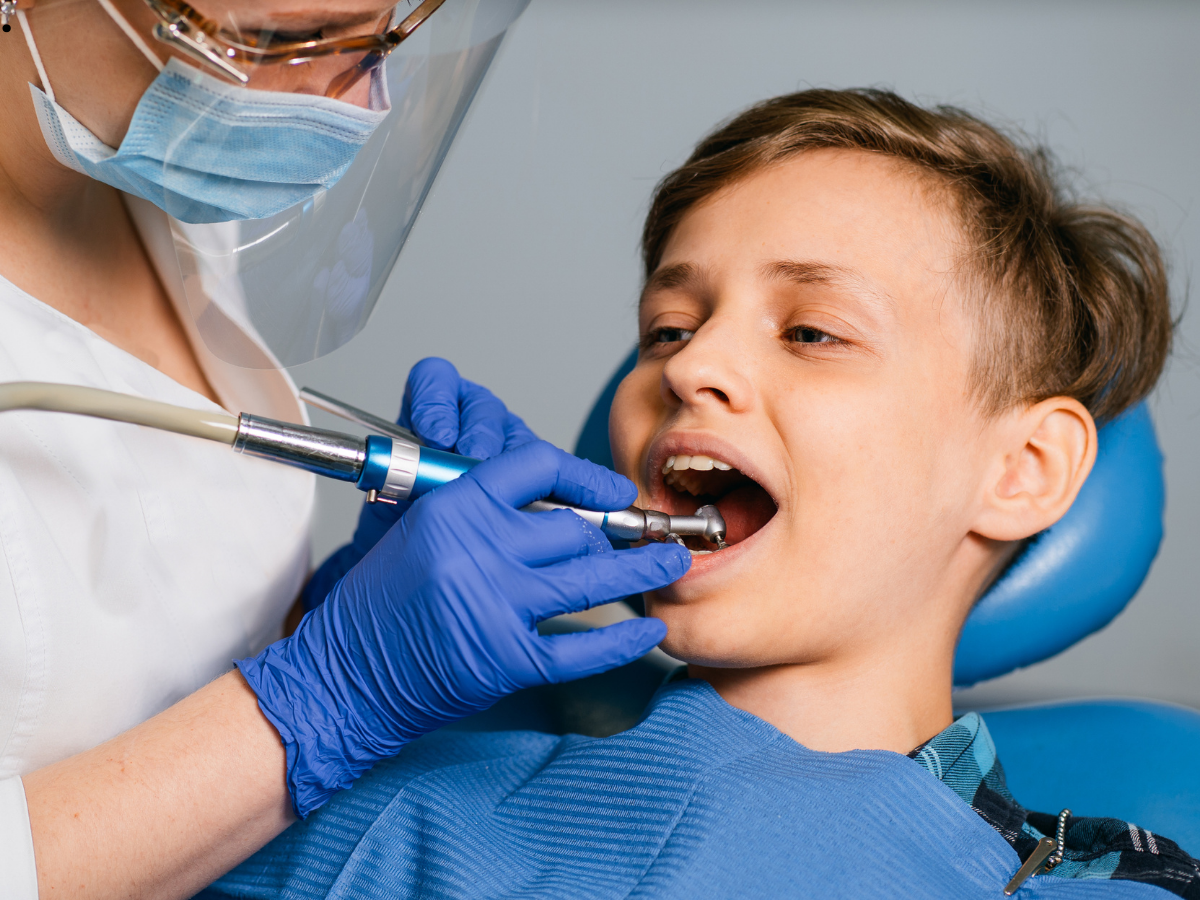
Dr. Jane crouched to Ethan’s eye level, asked about soccer, and explained his tooth like this, “Think of your tooth like a Lego wall. One tiny piece came loose, so we just need to snap it back in place.”
That metaphor mattered. It turned fear into understanding.
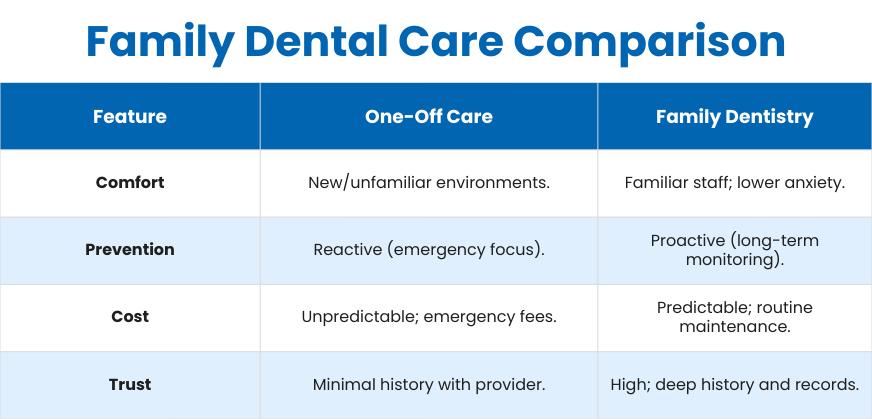
For kids, family dentistry means preventive care that feels manageable. Regular exams, routine cleanings, fluoride treatments, and early detection with digital X-rays all happen in an environment that feels familiar.
And familiarity is powerful. It’s the difference between a child who dreads the dentist and one who shrugs and says, “It’s fine.”
The Adult Side No One Talks About
While Ethan’s appointment wrapped up quickly, Melissa found herself lingering in the chair for her own exam. She hadn’t realized how tense she’d been until someone noticed it for her.
Family dentistry doesn’t ignore adults. It understands them.
Melissa admitted she avoided appointments because she felt embarrassed about falling behind. Dr. Jane nodded. No lectures. Just honesty.
“Life gets busy. Teeth don’t wait, but we can catch up.”
That moment mattered more than any procedure.
Adults often carry quiet dental anxiety, rooted in past experiences or guilt. Family dentistry acknowledges that emotional layer. It offers realistic plans, not pressure.
For Melissa, that meant discussing preventive care now instead of costly restorative work later. It meant understanding how her habits affected her kids’ habits. They were watching her.