Back to Blogs

What to Know About Composite Dental Fillings

Composite dental fillings offer a natural-looking and durable solution for restoring teeth affected by cavities or minor damage, blending seamlessly with your smile.

August 4, 2026
2 min read
Rebecca, holds an apple with a bite taken out, mid-chew, with a thoughtful expression on a garden patio.
Back to Blogs

What to Know About Composite Dental Fillings

Rebecca, holds an apple with a bite taken out, mid-chew, with a thoughtful expression on a garden patio.

Composite dental fillings offer a natural-looking and durable solution for restoring teeth affected by cavities or minor damage, blending seamlessly with your smile.

August 4, 2026
2 min read

Restore Your Smile With Fillings

Composite dental fillings offer a discreet and effective way to restore teeth affected by cavities or minor damage. Made from a durable resin matched to your natural tooth color, these fillings blend seamlessly into your smile, providing both strength and aesthetic appeal. They are a popular choice for repairing teeth while maintaining a natural appearance.

Rebecca, a woman in her early 40s, recently noticed a dull ache in one of her back teeth. She had been diligent with her brushing and flossing but knew it was time for a professional check-up. The thought of a cavity made her anxious, especially if it meant a visible silver filling.

Her main concern was finding a solution that wouldn't compromise the natural look of her smile. She scheduled an appointment at Boeschenstein & Middleton Family Dentistry to discuss her options with Dr. Jane Boeschenstein.

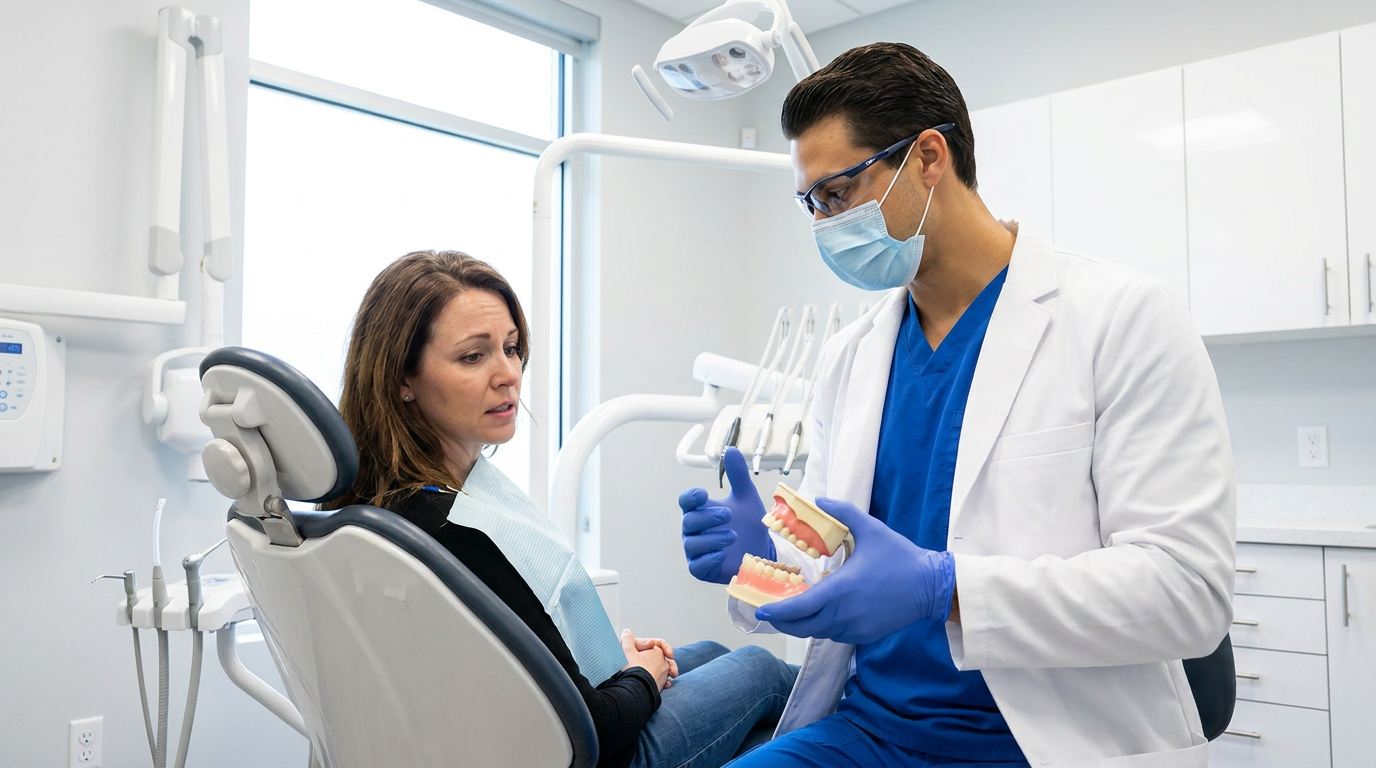
Rebecca, sits in a modern dental chair, looking slightly anxious but attentive as Dr. Daniel Middleton, a male dentist, gestures towards a dental model while explaining treatment options.

Why Choose Tooth-Colored Fillings?

Patients often choose tooth-colored fillings for their esthetic advantages and ability to bond directly with the tooth structure. These fillings are made from a composite resin material, which is a mixture of plastic and fine glass particles. This composition allows Dr. Jane Boeschenstein to precisely match the shade to your existing teeth, making the filling virtually invisible.

Rebecca appreciated this aspect during her consultation with Dr. Jane Boeschenstein. She explained how composite resin is a significant advancement from traditional silver amalgam. The material allows for less tooth removal, preserving more of the natural tooth structure.

  • Aesthetic Appeal: They blend seamlessly with natural teeth, offering an invisible repair.
  • Mercury-Free: Composite fillings contain no mercury, a concern for some patients.
  • Preserves Tooth Structure: Less drilling is often required, conserving more of your healthy tooth.
  • Versatility: They can also be used to repair chipped or broken teeth, not just cavities.
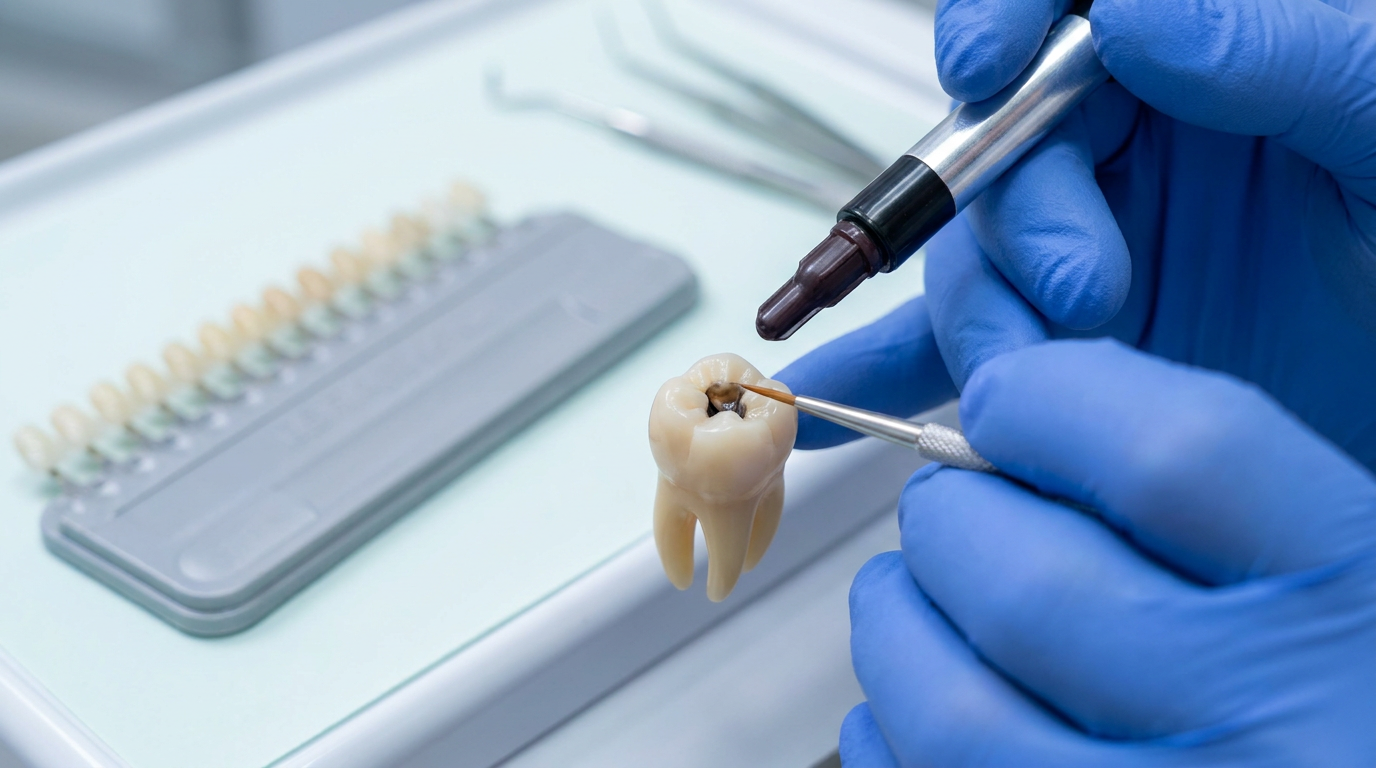
Close-up of a composite resin syringe and a fine-tipped applicator held by a gloved hand, poised over a replica tooth model clearly showing a small cavity.

Composite vs. Amalgam Fillings

The primary difference between composite and amalgam fillings lies in their material composition and appearance. Amalgam fillings, often called "silver fillings," are made from a mix of metals, including mercury, silver, tin, and copper, giving them a distinct metallic color. In contrast, composite fillings are resin-based and matched to the tooth's natural shade.

Dr. Jane Boeschenstein explained to Rebecca that while amalgam fillings have been a reliable option for many years, composite fillings offer a more biocompatible and aesthetically pleasing alternative. The bonding process with composite resin also helps reinforce the weakened tooth. She reviewed the pros and cons of each with her.

  • Appearance: Composite fillings match tooth color; amalgam fillings are silver.
  • Bonding: Composite resin bonds directly to the tooth, supporting the remaining structure.
  • Material: Composite is resin-based; amalgam is metal alloy-based.
  • Durability: Both are durable, but composite is often preferred for front teeth.
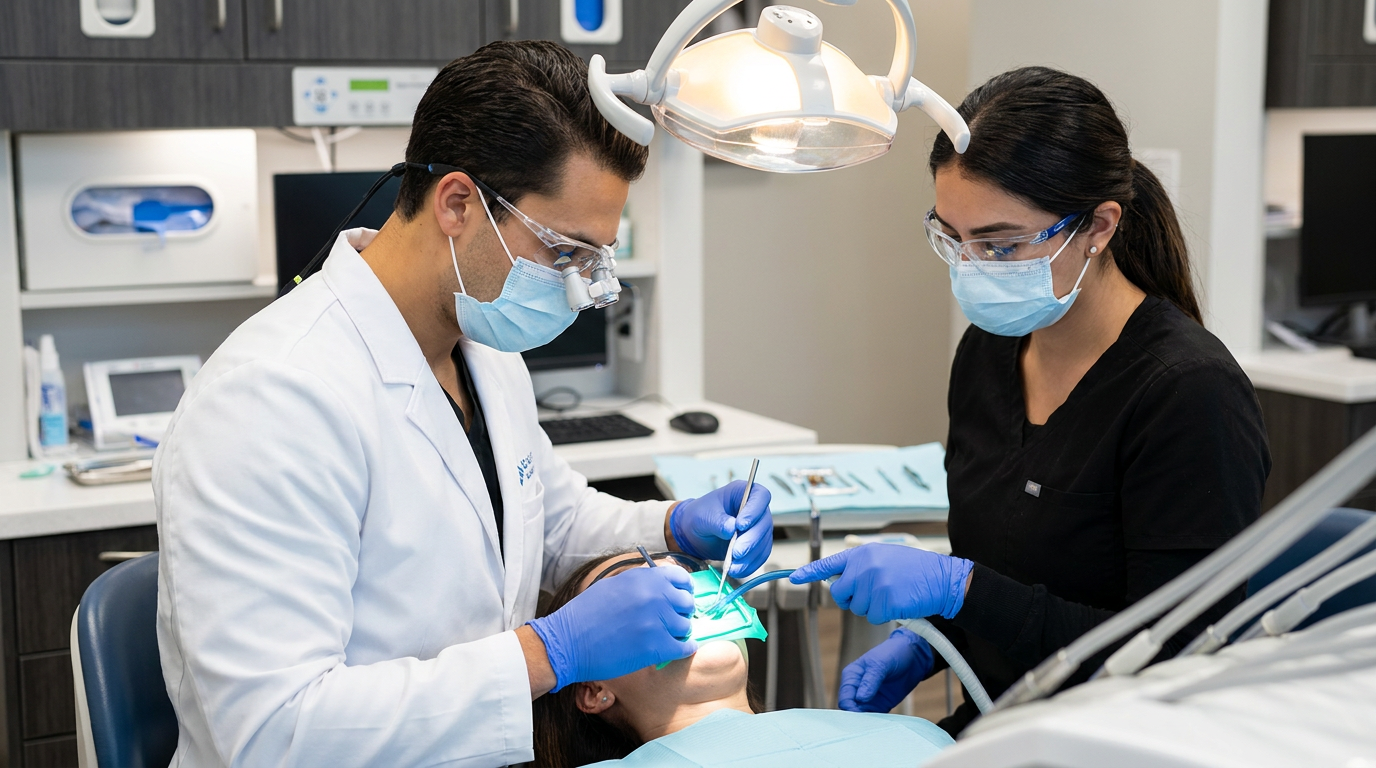
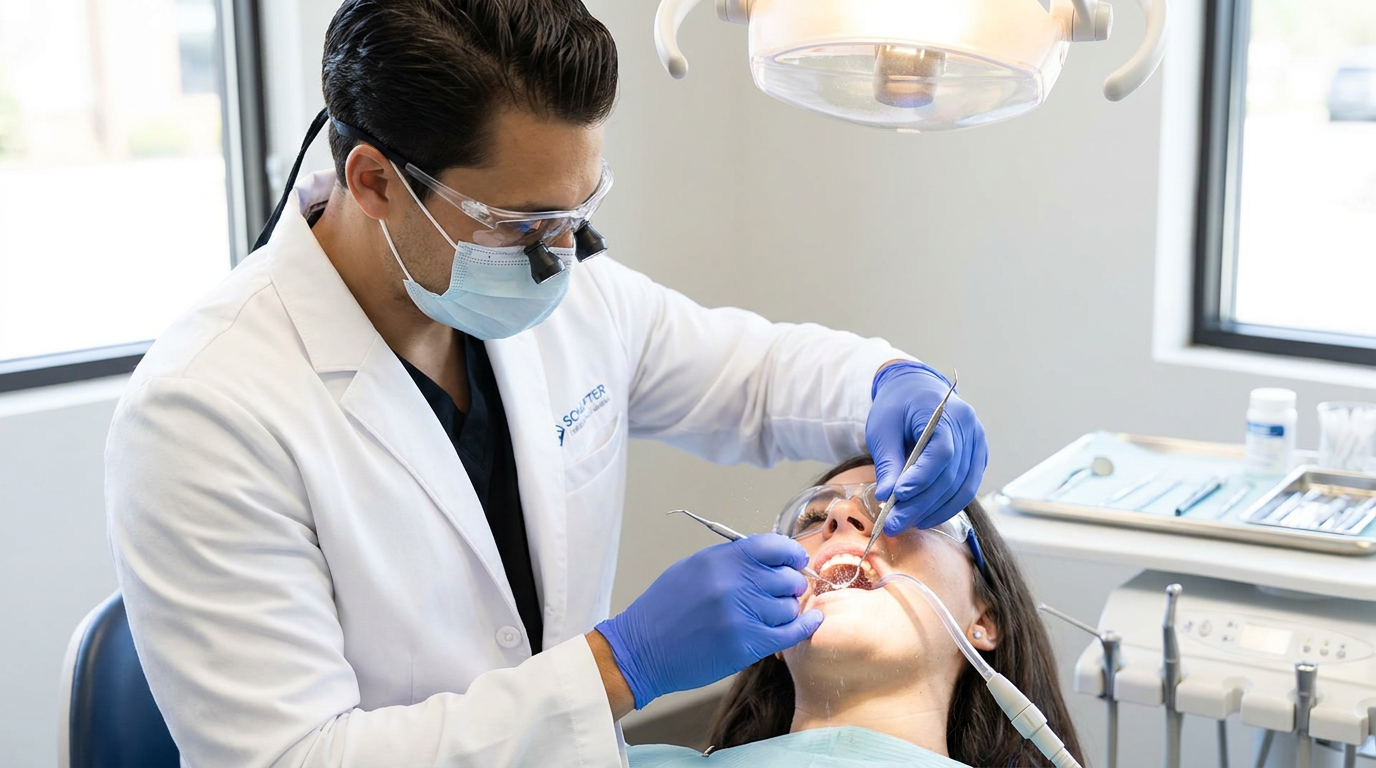
Dr. Daniel Middleton, a male dentist, and his female dental assistant both wear clinical attire and protective masks, leaning over a patient in a dental chair, illuminated by the bright overhead dental light.

What Happens During a Filling?

A composite dental fillings procedure typically involves several straightforward steps, beginning with preparing the affected tooth. Dr. Jane Boeschenstein will first numb the area to ensure your comfort throughout the process. She then removes any decayed or damaged tooth material, carefully cleaning the cavity.

After the tooth is thoroughly cleaned, an adhesive liquid is applied, and the composite resin is placed in layers. Each layer is hardened with a special light, a process called light curing. Finally, Dr. Jane Boeschenstein shapes and polishes the filling to ensure it fits perfectly with your bite and looks natural. Rebecca felt at ease after Dr. Jane Boeschenstein walked her through each step.

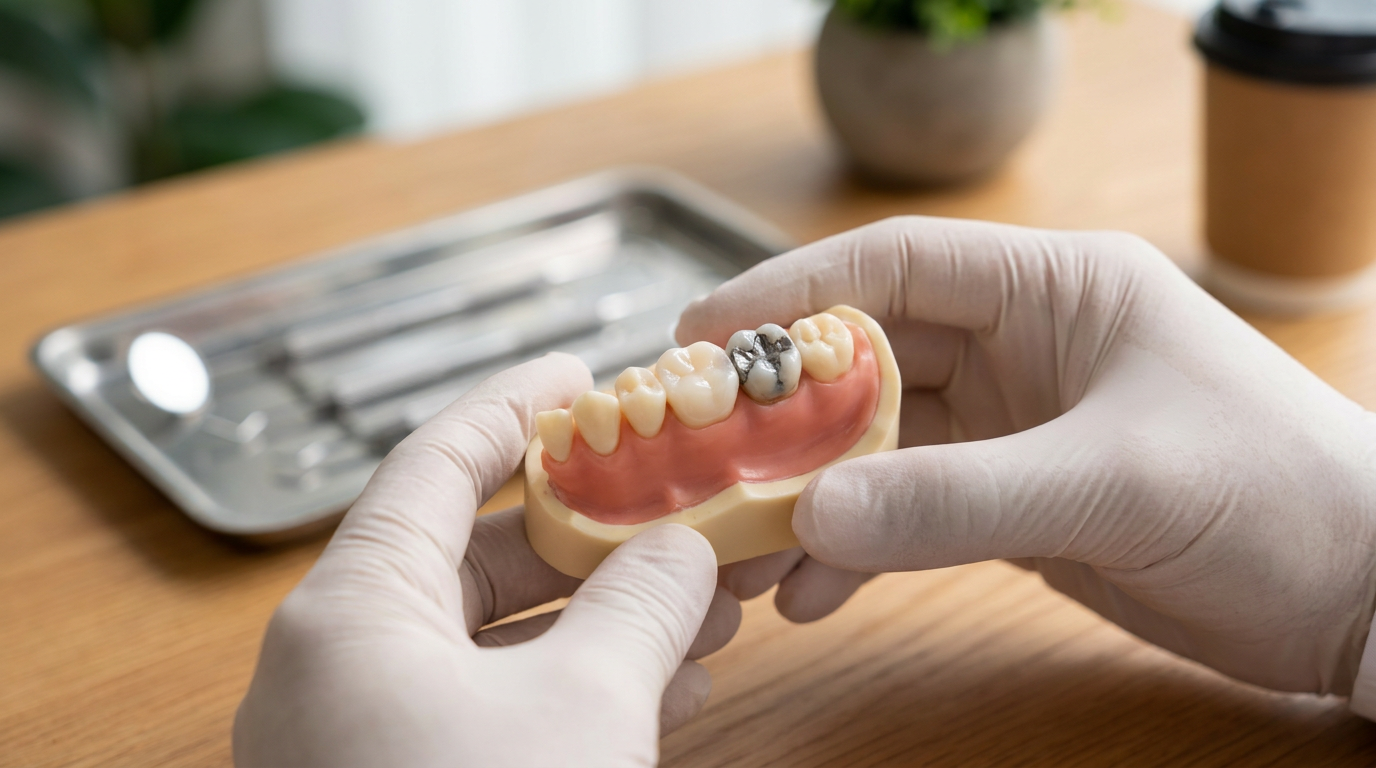
A macro shot focuses on a small, nearly invisible composite filling blending seamlessly into a molar on a dental model, next to an older, distinct silver amalgam filling on an adjacent tooth.

Schedule Your Dental Consultation Today

If you are experiencing tooth pain, suspect you have a cavity, or simply want to discuss your options for a healthier, more beautiful smile, contact Boeschenstein & Middleton Family Dentistry. Jane Boeschenstein and her team are ready to provide personalized care tailored to your needs in Jenison, MI.

How Long Do Composite Fillings Last?

The longevity of composite fillings largely depends on factors such as oral hygiene practices, diet, and the location of the filling. With proper care, including regular brushing, flossing, and routine dental check-ups, composite fillings can last between 5 to 10 years or even longer. Dr. Jane Boeschenstein often advises patients that front teeth fillings may last longer due to less chewing pressure.

Rebecca learned that maintaining good habits is key to maximizing the life of her new filling. Dr. Jane Boeschenstein emphasized avoiding habits like chewing on ice or using teeth as tools. Regular visits for routine cleanings are also crucial.

  • Oral Hygiene: Consistent brushing and flossing extend their lifespan.
  • Diet: Limiting sugary and acidic foods helps prevent new decay around the filling.
  • Grinding/Clenching: These habits can prematurely wear down fillings.
  • Regular Check-ups: Allows Dr. Jane Boeschenstein to monitor and maintain fillings.
Dr. Daniel Middleton, wearing blue scrubs, gently cleans a patient's teeth using a dental scaler, with water and suction visible.

Sensitivity After a Filling?

It is common for patients to experience some temporary sensitivity after receiving a composite filling. This sensitivity might manifest as a slight discomfort when consuming hot or cold foods and beverages, or even when biting down. Dr. Jane Boeschenstein reassures patients that this sensation is usually mild and subsides within a few days to a couple of weeks.

The sensitivity occurs because the tooth nerve can become slightly irritated during the filling process. If Rebecca were to experience prolonged or severe pain, Dr. Jane Boeschenstein would recommend contacting the office promptly. Most often, over-the-counter pain relievers can manage any discomfort.

A patient's hand holds a glass of ice water, with condensation visible, slightly recoiling from a sensitive tooth.

When Fillings Aren't Enough

While composite fillings are highly effective for minor to moderate decay, there are instances when a more extensive restoration is necessary. If a cavity is exceptionally large or has weakened a significant portion of the tooth structure, a filling might not provide adequate support. In such cases, Dr. Jane Boeschenstein may recommend alternative treatments to ensure the tooth's long-term health and stability.

For Rebecca, her cavity was relatively small, making a composite filling an ideal choice. However, had the decay been more widespread, options like CEREC® Crowns & Onlays or even extractions might have been considered. This ensures the tooth is protected and functional.

  • Large Cavities: When decay is extensive, a filling might not provide enough structural integrity.
  • Cracked or Fractured Teeth: Crowns are often needed to cover and protect damaged teeth.
  • Root Canal Treated Teeth: These teeth often require a crown for strength after treatment.
  • Severe Wear: If teeth are significantly worn down, crowns can restore their shape and function.
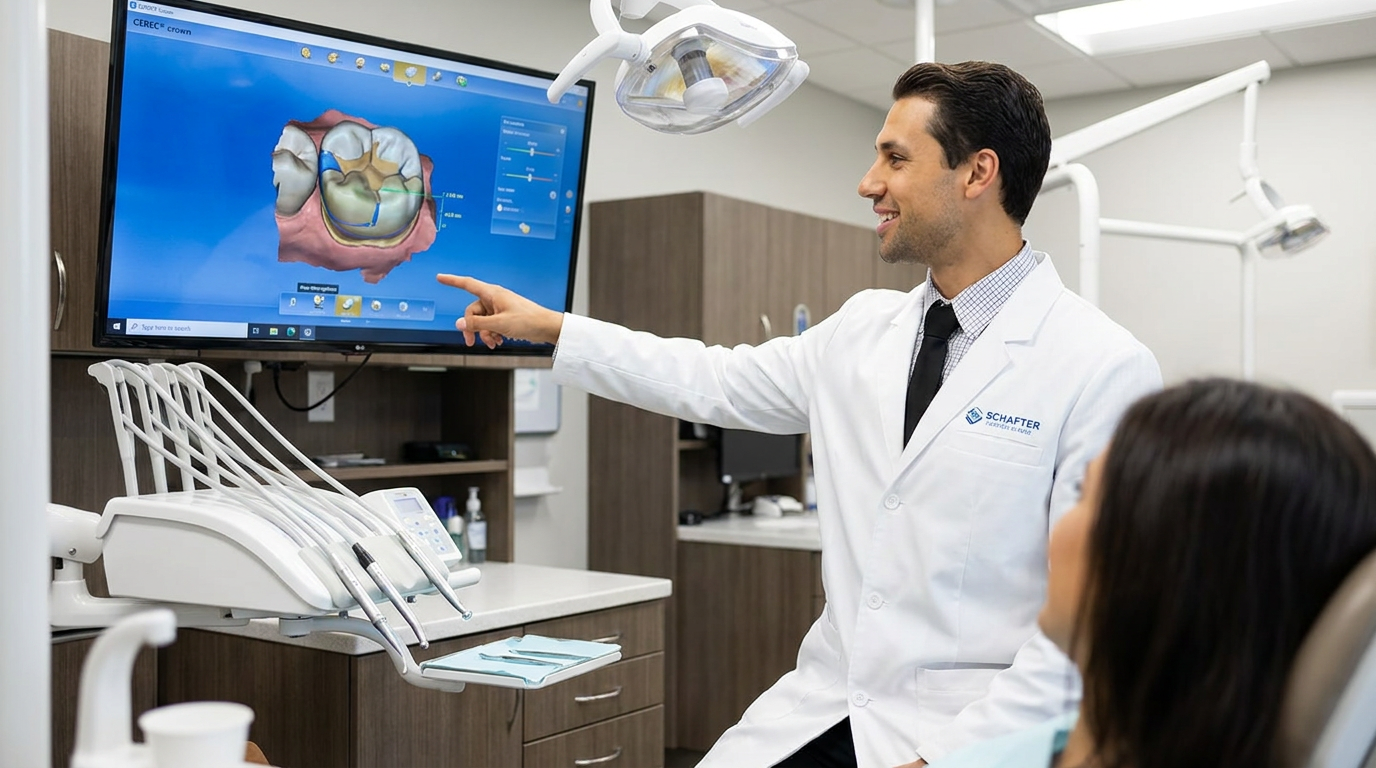
Dr. Daniel Middleton, a male dentist, in professional attire, stands beside a large digital screen displaying a 3D model of a tooth requiring a CEREC® crown, explaining the design to a patient who is out of frame.

A Lasting, Natural Solution

Rebecca left her appointment feeling relieved and confident in her decision to get a composite filling. The process was smooth, and she was grateful for Dr. Jane Boeschenstein's detailed explanations and gentle approach. Her new filling was practically undetectable, blending perfectly with her smile.

She understood the importance of maintaining her oral hygiene to ensure its longevity. The experience highlighted for Rebecca the value of preventative care and timely treatment. She realized that addressing issues like cavities promptly can prevent more complex problems down the road.

With her tooth restored, she could enjoy her favorite foods without discomfort and smile freely, knowing her dental health was in excellent hands. Dr. Jane Boeschenstein and her team at Boeschenstein & Middleton Family Dentistry remain dedicated to providing patients like Rebecca with solutions that prioritize both health and aesthetics. They believe that everyone deserves a functional and beautiful smile. Rebecca's restored tooth was a testament to the effective, modern care provided there.

Rebecca, smiles genuinely while looking directly at the camera.

Frequently Asked Questions

1. What are composite dental fillings made of?
Composite dental fillings are crafted from a blend of plastic (resin) and fine glass particles. This material is designed to be highly durable and aesthetically pleasing, allowing Dr. Jane Boeschenstein to match it precisely to your natural tooth color for an invisible repair.

2. Are composite fillings safe?
Yes, composite fillings are considered safe and are a popular choice for dental restorations. They are mercury-free, unlike traditional amalgam fillings, which is a significant factor for many patients. Dr. Jane Boeschenstein ensures all materials used meet the highest safety standards.

3. Can composite fillings be used on back teeth?
Composite fillings are versatile and can be used effectively on both front and back teeth. While they are often favored for their aesthetic appeal on visible teeth, their strength and durability make them suitable for molars, too. Dr. Jane Boeschenstein will assess the extent of the decay to recommend the best option.

4. How do I care for my composite filling?
Caring for a composite filling involves maintaining excellent oral hygiene, similar to caring for your natural teeth. This includes brushing twice daily, flossing regularly, and attending routine check-ups and routine cleanings with Dr. Jane Boeschenstein. Avoiding hard or sticky foods can also help extend its lifespan.

5. Will my insurance cover composite fillings?
Many dental insurance plans provide coverage for composite fillings, especially for cavities that require restoration. Coverage levels can vary depending on your specific plan. The team at Boeschenstein & Middleton Family Dentistry can help you understand your benefits and explore financing options.

6. Is there a specific type of filling for children?
For children, composite fillings are often an excellent choice due to their natural appearance and ability to bond directly with tooth structure. Dr. Jane Boeschenstein also offers fluoride treatments and space maintainers to protect young smiles. She will recommend the most appropriate type of filling based on the child's individual needs.


Stay Informed with Expert Insights & Tips About Dental Care

Brandon, sits at his office desk, pressing his hand to his jaw, looking pensive at his computer screen.
7.8.2026

When Is a Tooth Extraction Necessary?

Discover when a tooth extraction is necessary, what to expect during the procedure, and replacement options for a healthy smile.

Ava holds an aligner tray next to a glass of water on her kitchen island in the morning light.
7.8.2026

Smile Makeover Aftercare: Tips for Lasting Results

Maintaining a smile makeover requires diligent aftercare, including adjusted daily hygiene, mindful eating, managing sensitivity, and regular dental visits for lasting results.

Carter checks a dental appointment reminder on his phone while sitting at a cafe window seat.
7.8.2026

What Happens During a Comprehensive Dental Exam?

A comprehensive dental exam involves a thorough evaluation of your oral health, utilizing advanced technologies like digital X-rays and laser cavity detection for early diagnosis.

Book Your Appointment Today

Book your dental appointment online today for convenient, reliable care in Jenison, MI. At Boeschenstein & Middleton Family Dentistry, we make scheduling simple and stress free. Our friendly team provides gentle, personalized care to help you enjoy a healthy, confident smile.

Business Hours

Mon: 9 AM - 6 PM Tue: 9 AM - 3 PM
Wed: 9AM - 6 PM Thu: 8 AM - 5 PM
Fri - Sun: Closed

Thank you for booking your appointment!

We’ve received your request and will contact you soon to confirm the details. We look forward to seeing you at Boeschenstein & Middleton Family Dentistry.

We couldn’t submit your form.

Something interrupted the process, possibly a slow connection or a temporary glitch. Try again in a moment. If your info disappeared, we're really sorry and ready to help if you need it.