1. When is a tooth extraction truly necessary?
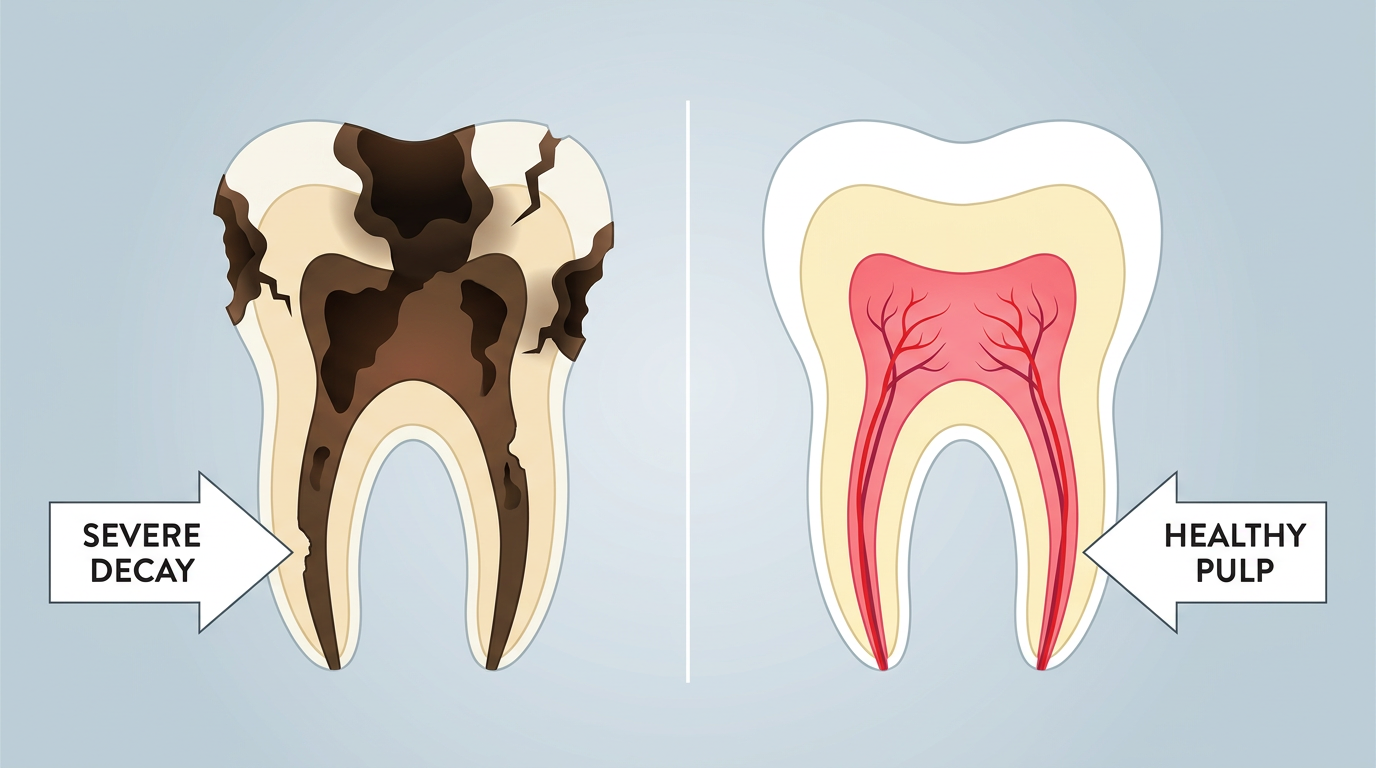
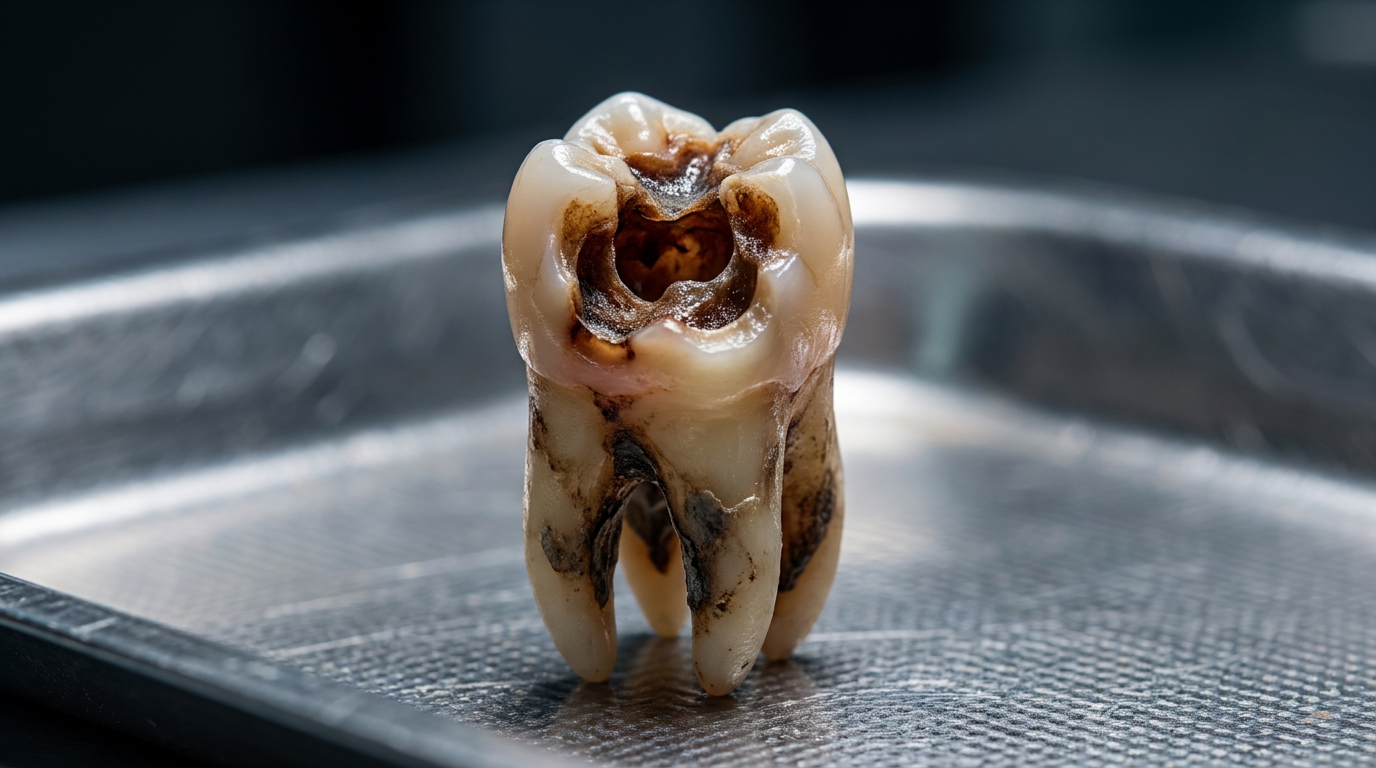
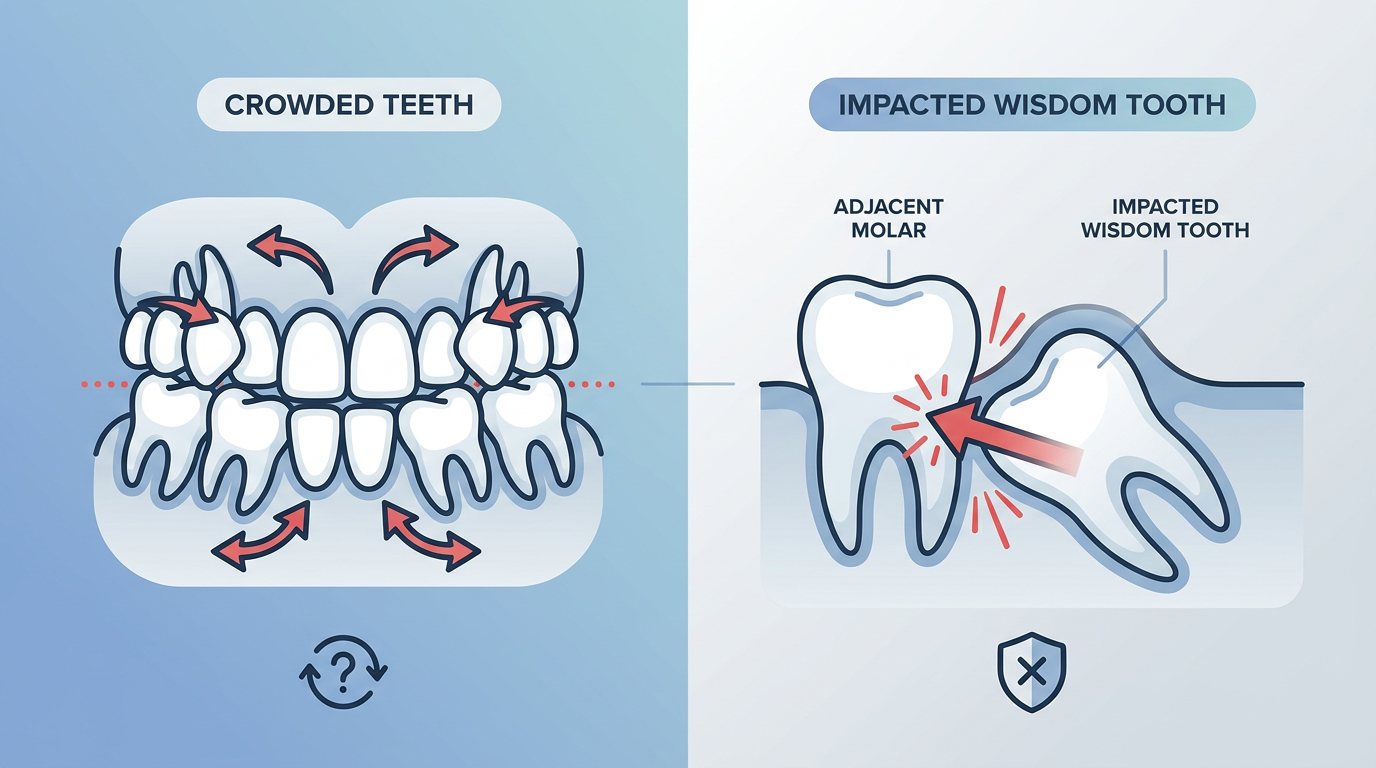
A tooth extraction is generally necessary when a tooth is so severely damaged or decayed that it cannot be saved by other restorative treatments like fillings or crowns. This includes cases of extensive decay, severe infection that has damaged the pulp, significant fractures beyond repair, advanced gum disease compromising the tooth's support, or severe overcrowding. Dr. Daniel Middleton will always assess your specific situation thoroughly to determine if it's the best option.
2. Will the tooth extraction procedure be painful?
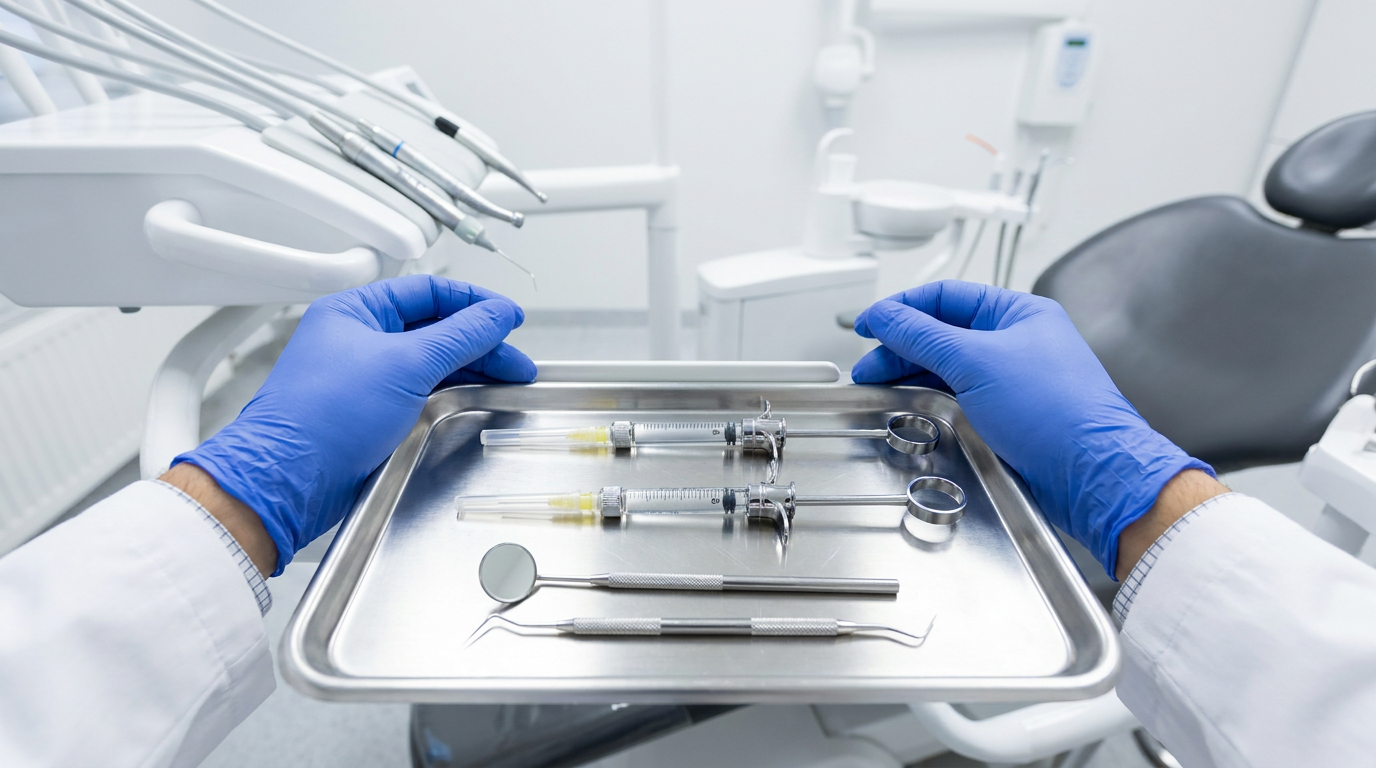
Dr. Daniel Middleton's priority is your comfort. He will use local anesthesia to completely numb the area around the tooth, so you should not feel any pain during the actual tooth extraction procedure. You might feel some pressure, but no sharp sensations. For those with dental anxiety, he can discuss additional comfort options to ensure a smooth experience.
3. What should I expect during tooth removal recovery?
After your tooth extraction, Dr. Daniel Middleton will provide detailed tooth extraction aftercare instructions. You can expect some mild discomfort and swelling, which can be managed with prescribed pain relievers or over-the-counter options and ice packs. It's crucial to follow instructions like eating soft foods, avoiding straws, and not disturbing the blood clot that forms in the socket to ensure proper healing.
4. How long does it take to recover from a tooth extraction?
The initial healing period after a tooth extraction typically takes a few days to a week, during which time you'll need to be careful with the extraction site. Full tissue healing within the socket can take several weeks or even months. Dr. Daniel Middleton will monitor your recovery and advise you on when it's safe to return to normal activities.
5. What are my options for replacing a missing tooth after an extraction?
You have several excellent options for replacing a missing tooth. Dr. Daniel Middleton can discuss dental implants, which are popular for their stability and natural appearance, or dental bridges, which use adjacent teeth for support. He'll help you choose the best restorative solution that suits your oral health needs and aesthetic goals.
6. Does dental insurance cover tooth extractions?
Many dental insurance plans do cover a portion of the cost of tooth extractions, especially if they are deemed medically necessary (e.g., due to severe decay or infection). However, coverage can vary widely depending on your specific plan. Our team can help you understand your insurance benefits and estimate your out-of-pocket costs at your consultation with Dr. Daniel Middleton.